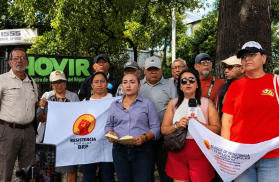
Exiled Salvadoran Human Rights Lawyers Granted Asylum in Spain
Spain has granted political asylum to Salvadoran lawyers Ivania Cruz and Rudy Joya, spokespersons for the Unit for the Defense of Human and Community Rights (UNIDEHC), recognizing the risk they face because of their human rights defense work in El Salvador. The decision consolidates their refugee status in the Spanish state and confirms that there are elements to consider that the persecution against them has a political character.
The decision came a week after the anniversary of the start of the legal proceedings against them, known as the "La Floresta" case.
“Today the granting of political asylum in my favor has been made public. This reaffirms the political persecution of human rights defenders,” said Ivania Cruz in a video on X. She added that “my physical integrity, my security, and my life are at great risk in El Salvador,” and emphasized that the recognition of asylum implies not only legal residence in Spain, but also the recognition that her work places her in a situation of risk.
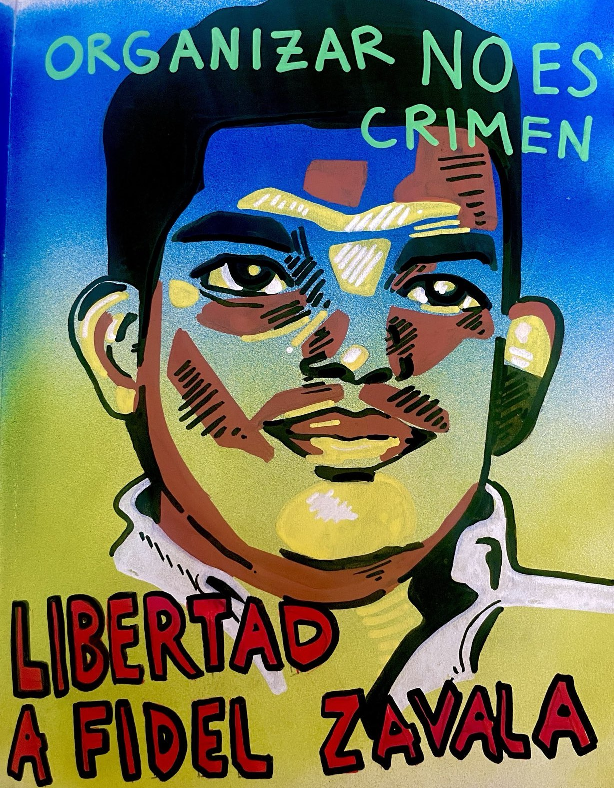
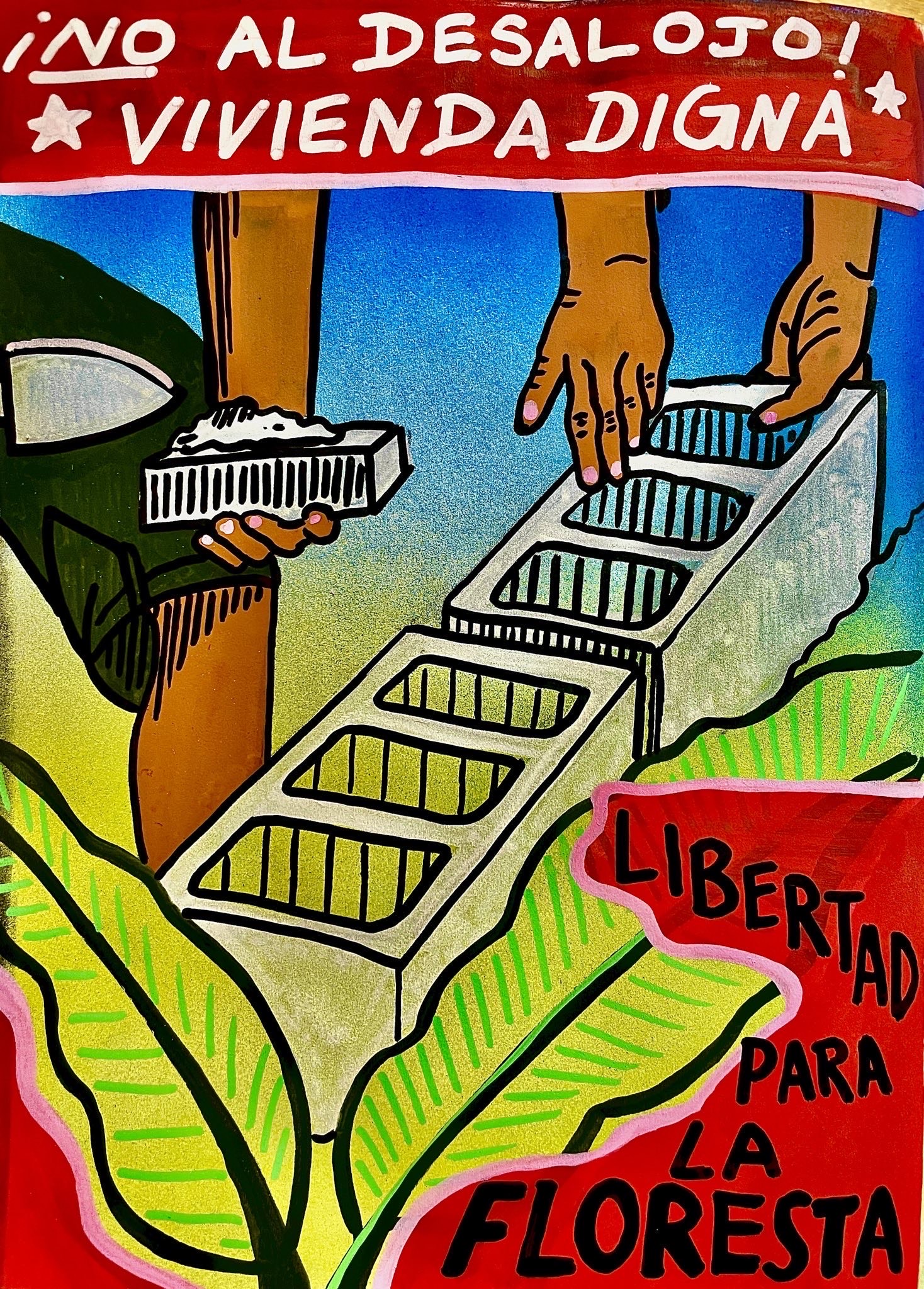
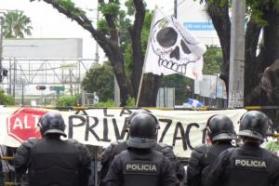
Cruz left El Salvador and requested asylum in Spain after raids on her home and on the offices of UNIDEHC on February 25, 2024. After the initial hearing in the “La Floresta” case, on March 13, 2025, the Office of the Attorney General of the Republic confirmed that Cruz and Joya were accused of being part of an alleged structure dedicated to the illegal sale of land in San Juan Opico, La Libertad. In the same process, UNIDEHC spokesperson Fidel Zavala was included, who has remained in prison for a year along with more than twenty residents of the La Floresta community, who had been denouncing a violent and unjust eviction of their community of over 250 families since July of the previous year.
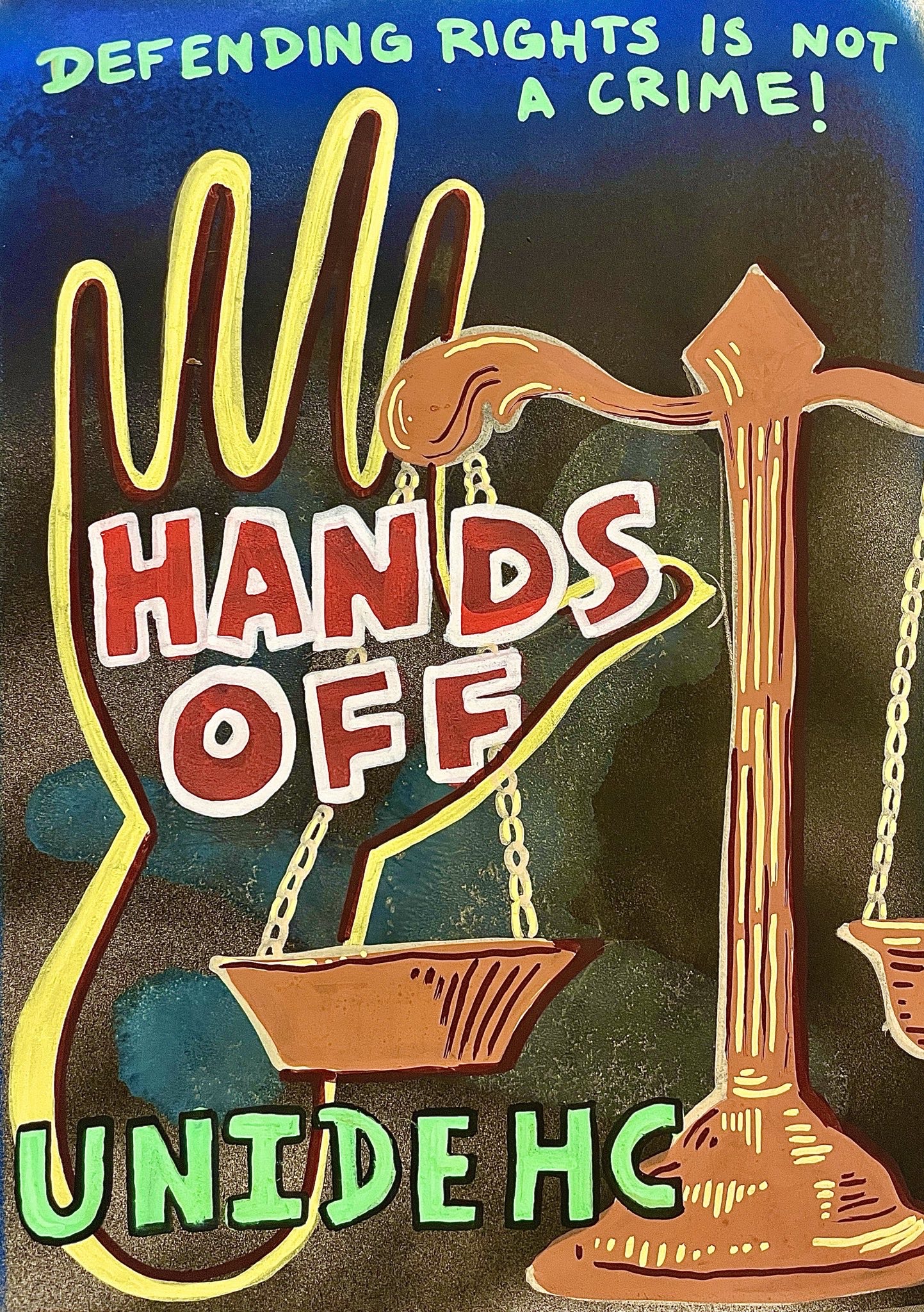
From UNIDEHC, Cruz and Joya documented hundreds of arbitrary arrests, reports of torture, and more than 400 deaths in state custody in the context of the state of exception. The organization also accompanied hundreds of families from rural communities facing forced evictions and promoted legal actions against the state, such as in the COSAVI case and regarding the conditions inside prison centers.
A group of United Nations experts stated that Cruz and Joya had to seek refuge “fleeing legal harassment in El Salvador resulting from their legitimate work in defense of human rights,” and warned that UNIDEHC “has been subject to harassment by Salvadoran authorities since February 2025 due to its support for the La Floresta community, which has faced attempts of forced eviction since 2024.” Since that year, international organizations had already warned about state surveillance, harassment, and intimidation against lawyers representing victims of arbitrary detentions.
In 2025, the Salvadoran government requested the issuance of INTERPOL red notices for the arrest of Cruz and Joya; however, the National Court blocked the attempt to execute those alerts in Spanish territory, considering that the refugee status and protection measures granted prevail over any request for detention with political motivation. Subsequently, INTERPOL revoked the notices after determining that they contravened the principle of non-intervention in matters of a political character established in its statutes.
United Nations experts described the measure as “an act of transnational repression, as it extends harassment of human rights defenders beyond its borders, attacking them in a country where they seek protection.”
The favorable resolution granting them asylum places the ongoing judicial process in El Salvador under international observation and formalizes the protection of Cruz and Joya as refugees. In this regard, Cruz called for “silence not to be an option” and asked for solidarity to continue demanding “the freedom of Fidel Zavala, Rut López, and all the people who at some point were imprisoned unjustly.”
 "I am a CISPES supporter because continuing to fight for social justice and a more people-centered country means continuing the dream and sacrifice of thousands of my fellow Salvadorans who died for that vision.” - Padre Carlos, New York City