US intervention in Americ
a.
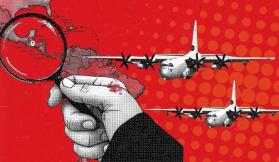
Commonperception of military intervention: violence, military aid, and war. However,looking at the see equally powerful effects tacticsof fear, intimidation, propaganda, and outside intervention (election agencies)and the effects ideological propaganda had on suppressing the peoplesmovement.
b.
Democracy research US definition and use of the word democracy in el Salvador Seen a transition from political intervention in the form of militaryinvolvement to instilling a dynamic of fear in the minds of Salvadorans utilizingtactics to intervene in the 2006 elections which evoked a familiar sense offear 2006 elections. political setbacks which interfered with rather thanstrengthened democracy in ElSalvador
i.
Through to ridiculous ideological propaganda andbaseless threats related to U.S.immigration policy. (quote from
c.
Theelections in 2006 are not isolated examples of US attempts to control resultsof elections, but are a historical trend of US intervention to suppress theleftist political movements.
d.
Organizationslike USAID and the National Endowment forDemocracy (NED), which funds IRI and NDIIA, sharply increased their funding to Venezuela'sbusiness associations, its official labor confederation, human rightsorganizations, and political party coalitions.
e.
face of political inv
II.
With the existing dynamics/mentality of fear in El Salvador
a.
Thesedeclarations were used in editorials to press the point that an FMMLN win wouldbring disaster upon the Salvadoran people. This idea was reinforced further byarea campaign ads in the newspapers, radio and television, some suing directquotes from US officials
b.
CISreport, referred to above is based on an analysis of articles with statementsby US officials in the three principal news (look up fmln on web page)
c.
PaulTrivelli, Director of Central American Affairs for the Department of State,said We said that we would not hesitate to express our opinion on issues thataffect our bilateral relations and that we will continue reacting to theactions and statements of the FMLN during the campaign. Douglas Barclay,current U.S. Ambassador to ElSalvador remarked, Congress people can saywhat they want when they are here.
d.
DanaRohrabacher, congressperson from California, said that it is important that theSalvadoran people understand that their decision at the polls will haveconsequences for future relations with the U.S. Congresspersons Tom Davis ofVirginia, Kevin Brady of Texas, Mario Díaz-Balart of Florida and Jerry Wellerof Illinois met with Tony Saca, the ARENA presidential candidate, but not withhis opponent.
e.
OttoReich, Special Envoy to the Western Hemisphere for the White House, said in apress conference held at the ARENA party campaign center that Salvadoransshould choose a government that they know has good relations with the U.S. andshares our values.
f.
In the most glaring example, Congressmen Tom Tancredothreatened that the USwould restrict remittances if the FMLN were to win the elections.
CISPES delegation: context ofextreme repression, it is essential that international pressure be applied toensure investigation of acts of repression, total complete respect of humanrights, as well as adherence to the Salvadoran constitution and the 1992 peaceaccords.
III.
Bolivia:
a.
LikeEl Salvador the goal of the US embassy is to strengthen US democracyand promote a space for dialogue
b.
U.S.embassy in Bolivia to Washington included the following message: A plannedUSAID political party reform project aims at implementing an existing Bolivianlaw that would . . . over the long run, help build moderate, pro-democracypolitical parties that can serve as a counterweight to the radical MAS or itssuccessors. Rather than giving money directly to Venezuelan organizations andpolitical parties OTI channels funding to USAID which in turn funds scores ofVenezuelan NGOs and party projects.
i.
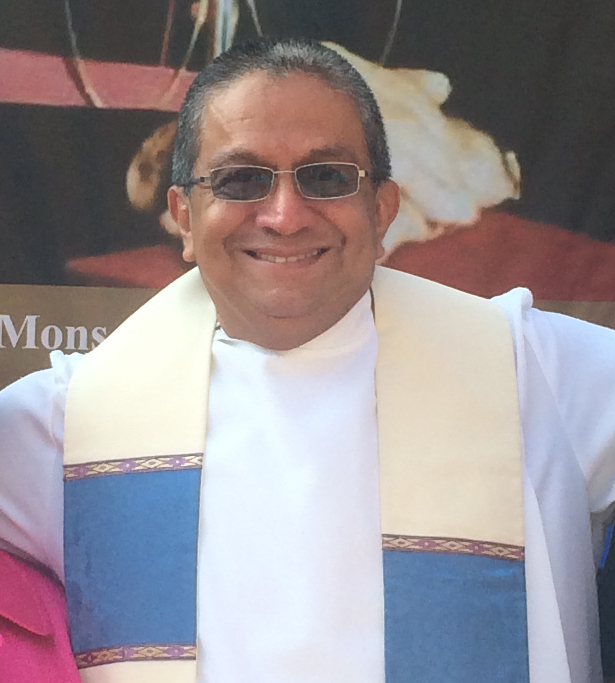 "I am a CISPES supporter because continuing to fight for social justice and a more people-centered country means continuing the dream and sacrifice of thousands of my fellow Salvadorans who died for that vision.” - Padre Carlos, New York City