Second Salvadoran Town Bans Mining
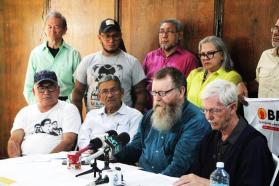
On Sunday, November 23, the town of San Isidro Labrador in the northern Salvadoran province of Chalatengango held a referendum on whether to allow metallic mining projects within the municipal territory. Of the 238 residents who cast a ballot, 98.74% voted to reject mining.
The popular consultation in San Isidro Labrador comes on the heels of a similar vote in the neighboring town of San José Los Flores, Chalatengango in September, in which 99% voted against mining. The local referendums are part of a campaign supported by the National Roundtable Against Metallic Mining, which is planning more municipal votes for the new year.
The current leftist administration of President Sánchez Cerén has extended a moratorium on the toxic resource extraction process, but the Roundtable and other allied social movement groups are pressuring the Legislative Assembly to pass a definitive ban on metallic mining in El Salvador. The government’s rejection of dangerous gold mining projects previously triggered a series of lawsuits from Canadian mining company Pacific Rim, which is currently demanding $301 million from the Salvadoran state in a World Bank court.

 "I am a CISPES supporter because continuing to fight for social justice and a more people-centered country means continuing the dream and sacrifice of thousands of my fellow Salvadorans who died for that vision.” - Padre Carlos, New York City